



Understanding Intraocular Lenses (IOLs)
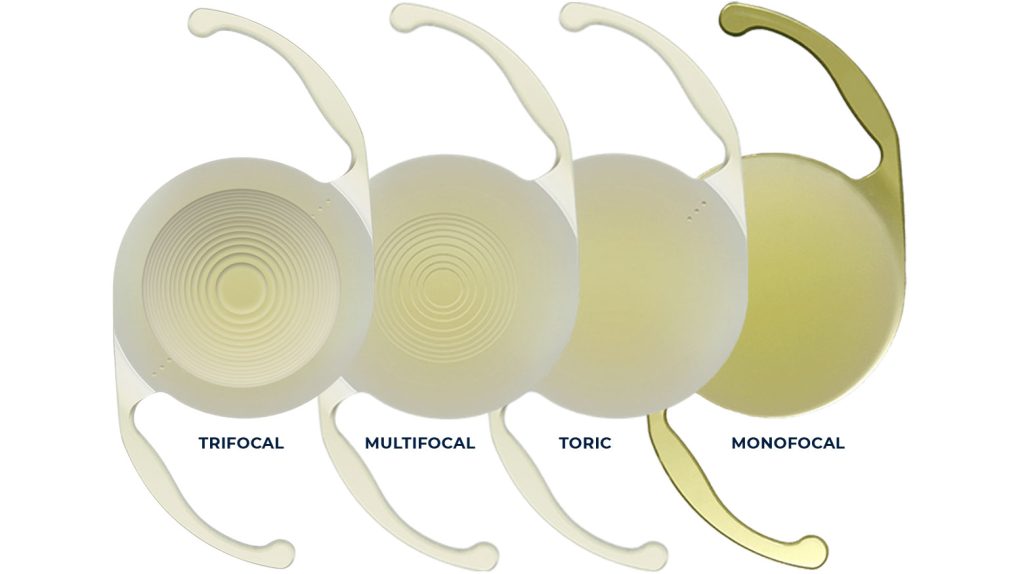
- Intraocular lenses (IOLs) are marvels of modern ophthalmology, offering a clear path to restoring vision clarity during cataract surgery and refractive lens exchange. These tiny yet powerful implants replace the eye’s natural lens, allowing you to see clearly without the need for glasses or contact lenses. We offer a range of IOL options tailored to your unique vision needs and lifestyle.
|
Monofocal IOLs: |
Extended Depth of Focus (EDOF) IOLs: |
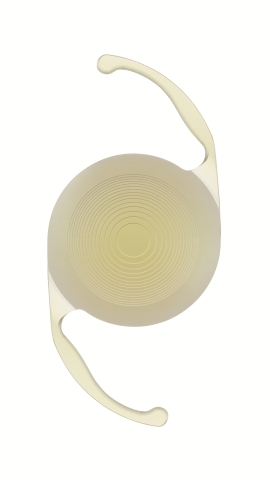
Multifocal/Trifocal IOLs: |
||
|
|
|
|
|
Toric IOLs: Correcting Astigmatism
- Toric IOLs are specifically designed to correct astigmatism, a common refractive error caused by irregular corneal curvature. These IOLs offer clear vision while simultaneously addressing astigmatism, often reducing or eliminating the need for glasses after surgery.
Non-Toric IOLs: Addressing Regular Refractive Errors
- Non-toric IOLs are suitable for patients without significant astigmatism. They provide clear vision but may not fully correct astigmatism, so glasses may still be needed for specific tasks if astigmatism is present.
Your Customized Vision Solution
- The choice of the right IOL is a highly personalized decision, influenced by your lifestyle, visual goals, and any existing refractive errors. During your consultation we will thoroughly assess your eyes and discuss your preferences to help you make an informed decision about which IOL type is best for you.
| Aspect | Monofocal IOLs | EDOF IOLs | Multifocal IOLs |
|---|---|---|---|
| Vision Range | Single fixed distance | Extended range | Multiple distances |
| Distance Vision | Excellent | Improved | Good |
| Intermediate Vision | Typically requires glasses | Improved | Excellent |
| Near Vision | Typically requires glasses | May require glasses | Excellent |
| Glasses Dependence | Often needed for near and intermediate vision | Reduced for most tasks | Reduced or eliminated |
| Astigmatism Correction | Possible with toric lenses | Possible with toric lenses | Possible with toric lenses |
| Adaptation Period | Shortest adaptation period | Short adaptation period | Longer adaptation period |
| Visual Quality | Excellent, but often requires glasses for reading | Very good in daylight and dim environments |
Good in daylight Will need additional lighting in dim environments Haloes and glare are common but usually tolerable |
| Presbyopia correction approaches |
Monovision
|
Blended Vision
|
Not necessary |
| Suitability |
Best option especially if there are other moderate to severe eye conditions |
Suitable for a variety of minor eye conditions |
Suitable only for healthy eyes with no other eye conditions |
| Cost | Typically lower cost | Moderate cost | Higher cost |
| Ideal Candidates | Those prioritizing distance vision | Those with a range of visual needs | Those seeking freedom from glasses for most tasks, and do not mind a trade off with visual quality |
Types of Intraocular Lens Implants
Monofocal Lenses
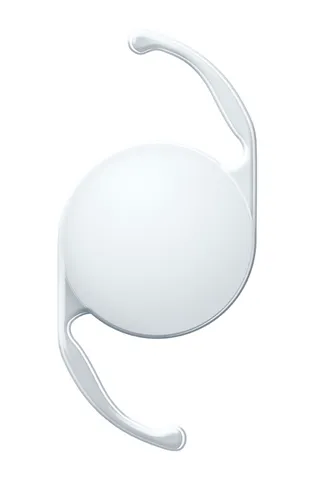
Extended DOF Lenses
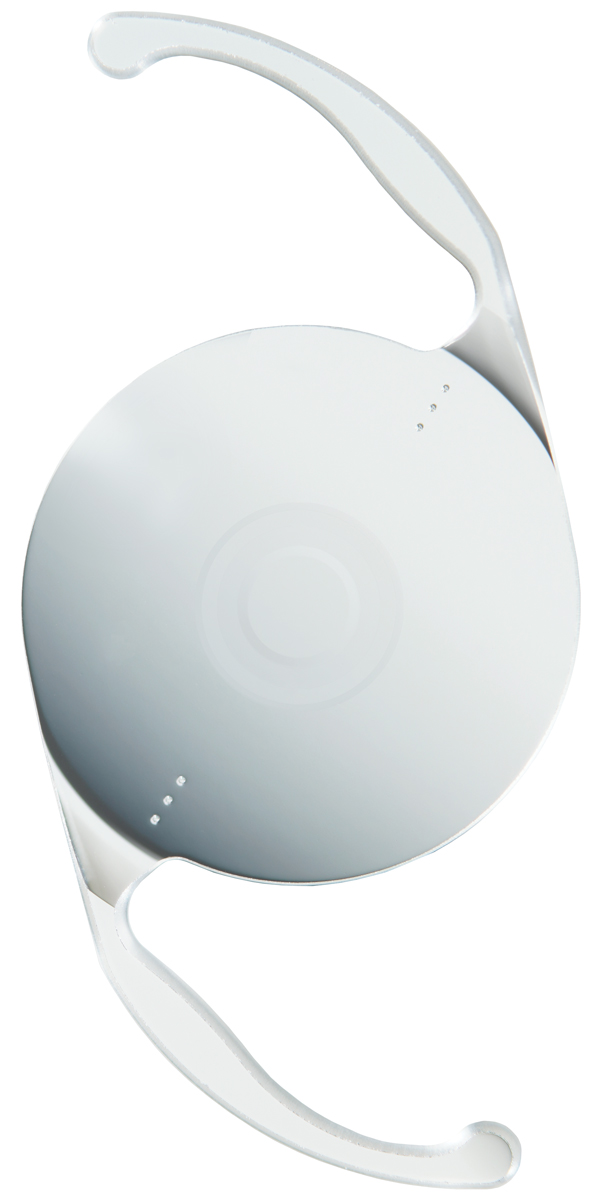
Multifocal / Trifocal Lenses
Got Any Questions? Get In Touch With Us!