



One approach gaining popularity is monovision, a refractive treatment that addresses presbyopia by optimizing one eye for distance vision and the other for near vision.
Understanding Monovision
Monovision is a refractive technique that involves correcting one eye for distance vision and the other for near vision. This intentional imbalance allows patients to have a more comprehensive range of vision without the need for reading glasses or bifocals. By addressing presbyopia through monovision, you can regain visual independence and quality of life.
This can be achieved via a variety of procedures, including LASIK, PRK, SMILE, ICL and cataract surgery / refractive lens exchange, depending on your age, eye condition and lifestyle.


Key Benefits
- Seamless Adaptation: Monovision offers a smooth transition for patients, as the brain naturally adjusts to prioritizing the vision from one eye for distance tasks and the other for close-up activities.
- Reduced Dependency on Reading Glasses: By strategically setting the dominant eye for near vision, patients can read, work on computers, and perform other close-up tasks without relying on additional visual aids.
- Customizable Solutions: Monovision can be tailored to meet the unique needs and lifestyle preferences of each patient. Customization ensures optimal outcomes and patient satisfaction. A trial of contact lenses can be considered as well to ensure good adaptation following the procedure.
- Proven Effectiveness: Numerous studies have demonstrated the effectiveness of Monovision in addressing presbyopia, with high patient satisfaction rates.
Considerations
- Depth Perception: One potential drawback of Monovision is a compromise in depth perception. Some individuals may notice a slight reduction in their ability to perceive depth, especially in low-light conditions. However, the brain often compensates for this over time.
- Adaptation Period: It’s crucial to understand that adapting to Monovision may take some time. While some individuals adjust quickly, others may require a few weeks for their brain to fully adapt to the new visual configuration.
- Visual Compromise: While monovision provides improved overall vision, there might be a slight compromise in the sharpness of distance and near vision when compared to a full correction for each eye.
- Ongoing Ageing Changes: Aside from refractive lens exchange and cataract surgery, the rest of the procedures do not halt the natural aging process of the eyes. Over time, additional vision changes may occur, and a touch-up procedure or the use of reading glasses for prolonged near tasks may be necessary.
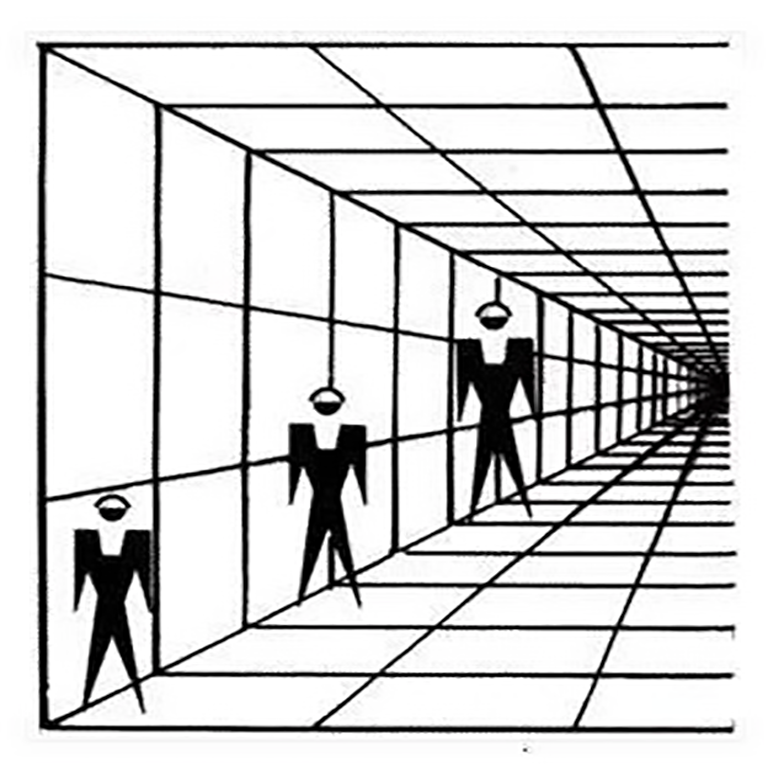
Depth Perception
Adaptation Period

Visual Compromise

Ongoing Age Changes
Patient Selection and Counseling
Suitability for monovision involves a comprehensive evaluation of your visual acuity, eye health, and daily activities. Thorough counseling is essential to managing expectations and ensuring that there is an understanding of the adjustment period and compromises associated with monovision.
A trial of contact lenses can be considered for suitable patients to assess their comfort with monovision as well as to shorten the adaptation period.

Conclusion
While Monovision is not a “perfect” solution to presbyopia, for carefully selected patients, it is well tolerated and very satisfactory over 85% of the time.
Most patients who choose Monovision are satisfied with both near and far vision without glasses.
Got Any Questions? Get In Touch With Us!