




Preoperative Evaluation
Preparing for Cataract Surgery
If you’re considering cataract surgery, it’s crucial to undergo a comprehensive pre-operative evaluation to ensure the best possible outcome for your vision. Here’s what you can expect from our cataract pre-operative evaluation process.
Why a Pre-Operative Evaluation?
Cataract surgery is a highly successful procedure, but its success relies on a thorough understanding of your unique eye health and visual needs. Our pre-operative evaluation serves several essential purposes:
- Assessing Your Eye Health: We start by examining the overall health of your eyes. This includes checking for any underlying eye conditions that may affect the surgery or your post-operative results.
- Measuring Refractive Errors: Precise measurements of your eye’s refractive errors (such as nearsightedness, farsightedness, and astigmatism) help us determine the optimal intraocular lens (IOL) for your vision goals.
- Discussing Your Lifestyle: We want to understand your lifestyle and visual preferences. Whether you’re an active individual, a computer enthusiast, or an avid reader, this information helps us tailor the IOL choice to your daily activities.
- Addressing Your Questions and Concerns: Your comfort and peace of mind are paramount. We encourage you to ask any questions or express concerns you may have about the procedure, recovery, or expected results.
What to Expect During the Evaluation
- During your pre-operative evaluation, our experienced team will perform a series of painless, non-invasive tests and assessments. These may include:
- Eye Examination: A comprehensive eye exam to assess the health of your eyes, evaluate your vision, and detect any other eye conditions.
- Biometry: Precise measurements of your eye’s dimensions to determine the appropriate IOL power.
- Corneal Evaluation: Assessing the curvature and health of your cornea, which can impact your overall visual outcome.
- Discussion of Your Goals: An in-depth conversation about your visual goals, lifestyle, and any specific concerns you may have.
- IOL Selection: Based on the gathered information, we will recommend the most suitable IOL type (monofocal, extended depth of focus, multifocal, or toric) to meet your needs.
Here’s what to expect
for cataract surgery

Detailed consultation and examination to discuss your visual needs and suitability for different types of lens implants

Biometry (measurement of eye dimensions) to determine the lens to be implanted into the eye, together with an overall health evaluation to ensure optimal fitness prior to surgery

Admission to the surgical facility a few hours prior to surgery to get your settled in the dayward, and ensure your pupil is dilated prior to the operation

A quick evaluation and check-in with the anaesthetist to ensure that the sedation is smooth and safe
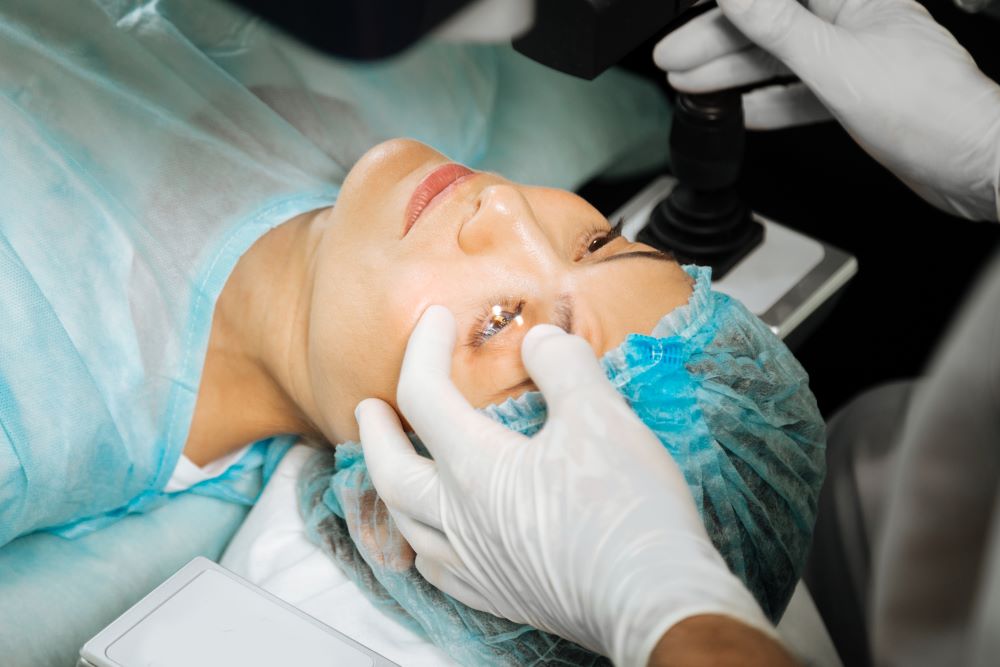
A short painless procedure that removes the cataract thru a small incision, and replaces it with an artificial lens implant

Rest in the recovery suite or dayward as the nurses monitor your vital signs and check in to make sure you're comfortable before going home

You will have a transparent eye shield to protect your eye when you're discharged back home. A slight discomfort or grittiness is normal and will go away with rest.
Routine review on day 1 to ensure you're on the path to recovery. You'll be advised on how to clean the eye, and be mindful of good hygiene to prevent infection during the recovery process.

Routine review at week 1 to ensure the wound is healing well. The frequency of eye drops may also be reduced, you should be given the green light to resume most activities.

Routine review at month 1 to ensure full recovery. A comprehensive eye evaluation determining full recovery as well as the need for glasses will be performed. Resuming all activities should be possible at this point.
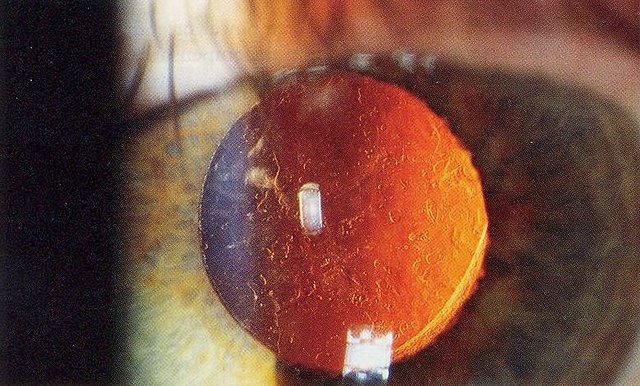
Routine review at month 6 to ensure stability in vision. Common conditions that can happen after cataract surgery such as Posterior Capsule Opacification (PCO or 'After Cataract') may be detected at this visit.

Regular visits for other age-related eye conditions such as glaucoma, age-related macular degeneration and dry eyes, as part of routine eye examinations to ensure optimal vision throughout your lifetime
Recovery and Aftercare
Understanding what to expect during your recovery is essential for a smooth and successful healing process. Here's what you can anticipate after your cataract surgery.
Immediate Post-Operative Period
Rest and Relaxation: After your cataract surgery, you'll spend a short time in our recovery area to ensure everything has gone smoothly. Most patients can return home on the same day.
Mild Discomfort: It's normal to experience some mild discomfort, irritation, or a gritty sensation in your eye immediately after surgery. Your surgeon may prescribe eye drops or medications to manage any discomfort.
Blurred Vision: Your vision may be temporarily blurry immediately after surgery. This is normal and will gradually improve as your eye heals.
Early Recovery (First Few Days)
Light Activities: While it's essential to rest and avoid strenuous activities during the first few days, you can usually resume light activities like reading or watching TV.
Eye Protection: You'll be given an eye shield to wear while sleeping to protect your eye and prevent any inadvertent rubbing or touching.
Frequent Eye Drops: Follow your surgeon's instructions carefully for using prescribed eye drops to prevent infection and aid in the healing process.
Mid to Late Recovery (First Few Weeks)
Improved Vision: Over the next few weeks, your vision will continue to improve. Many patients notice significant clarity improvement within days.
Follow-Up Appointments: You'll have follow-up appointments with your surgeon to monitor your progress and ensure your eye is healing as expected.
Return to Normal Activities: Most patients can gradually return to their regular activities, including driving and work, as long as they receive clearance from their surgeon.
Vision Enhancement: If you opted for a premium intraocular lens (IOL), you may experience reduced dependence on glasses or contact lenses, depending on your chosen IOL type.
Long-Term Expectations
Stable Vision: Once your eye has fully healed, you can expect stable and improved vision that can last for years to come.
Maintain Eye Health: Continue to schedule regular eye exams with your eye care specialist to monitor your eye health and address any potential issues as they arise.
Enjoy Clear Vision: Many patients report brighter, clearer vision and an enhanced quality of life after cataract surgery.
Got Any Questions? Get In Touch With Us!